
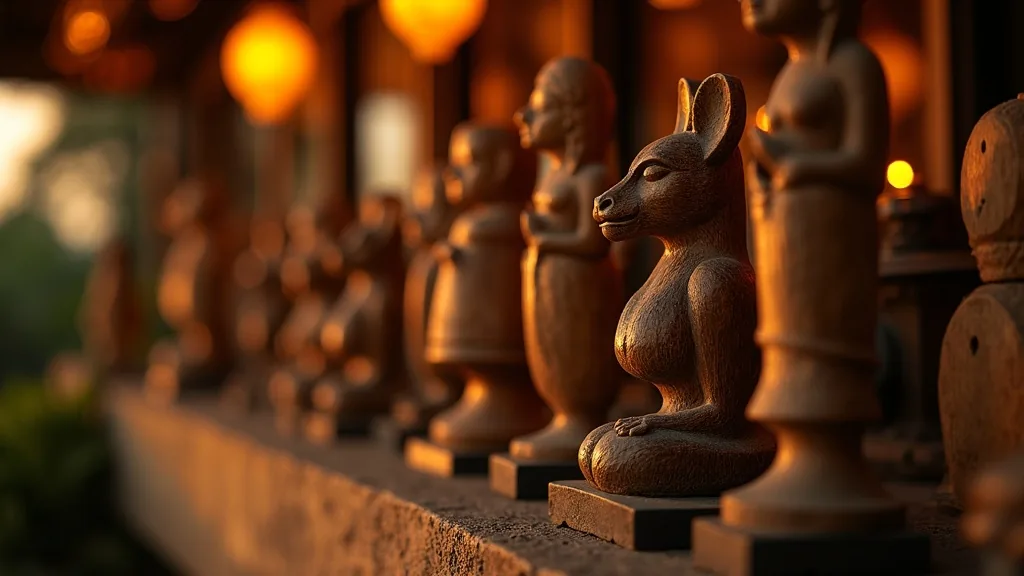
Quick Facts: Navigating Balinese Wood Carving
- Primary Hub: Mas Village, located in Gianyar Regency, is the historical heart of Balinese wood carving, approximately 15 kilometers northeast of Denpasar.
- Artistic Legacy: Balinese wood carving dates back centuries, deeply intertwined with Hindu mythology and spiritual practices, with significant influence from the Majapahit Kingdom in the 14th century.
- Key Materials: Common woods include suar wood (trembesi), teak, crocodile wood, ebony, and sandalwood, each chosen for its grain, durability, and symbolic significance.
- Styles: Ranges from traditional depictions of Hindu deities (e.g., Garuda, Ganesha), intricate masks, and ceremonial pieces, to modern abstract sculptures and functional art.
- Pricing: Highly variable. Small, intricate pieces can start from IDR 150,000 (approx. $10 USD), while larger, master-carved statues can command upwards of IDR 30,000,000 (approx. $2,000 USD) or more, depending on size, detail, wood type, and artist’s reputation.
- Finding Carvings: Best found directly at Mas Village workshops, specialized galleries in Ubud, and select artisanal shops in areas like Seminyak and Canggu. The Ubud Art Market also features a wide array, though quality and authenticity can vary.
- Shipping: Most reputable galleries and workshops offer international shipping services, crucial for larger items. Ensure clear documentation and insurance for valuable pieces.
Mas Village: The Enduring Heart of Balinese Wood Artistry
Mas Village, nestled within the Gianyar Regency, stands as the quintessential center for Balinese wood carving. This historic village, approximately a 45-minute drive from the bustling streets of Kuta Bali or Seminyak Bali, has cultivated a tradition of sculptural artistry for generations. Here, the air often carries the rhythmic tap-tap-tap of mallets striking chisels, a testament to the village’s enduring craft. Families pass down techniques from master to apprentice, preserving a heritage that defines much of Bali’s visual identity. Visitors often find themselves captivated by the sheer volume and diversity of wood art Bali produces, from delicate, intricate masks to monumental statues depicting figures from the Ramayana and Mahabharata epics.The workshops in Mas Village are not merely retail spaces; they are living galleries where one can observe the entire creative process. Artists demonstrate their skill, transforming rough blocks of wood into finely detailed sculptures. A typical large sculpture, for instance, might take a master carver several months, sometimes up to six months, to complete, depending on its complexity and size. The primary woods utilized include the dense, dark ebony, the lighter, easily carved suar wood (also known as trembesi), and the beautifully grained teak. Each wood offers distinct characteristics, influencing both the aesthetic and the final price of the bali sculpture. Many workshops are open daily from 9:00 AM to 5:00 PM, though specific hours can vary.Beyond Mas: Exploring Wood Carvings Across Bali
While Mas Village remains the undisputed epicenter, the influence of Balinese wood carving extends far beyond its borders. The broader Ubud area, a cultural hub known for its art scene, hosts numerous galleries and smaller workshops offering a curated selection of wood art. Here, you might encounter more contemporary interpretations or pieces from emerging artists. The Ubud Art Market, while bustling and vibrant, also presents an opportunity to find smaller, more portable wood carvings, though discerning quality and authenticity requires a keen eye. Prices at the market are often negotiable, and a firm but polite approach can yield favorable results.For those exploring different regions, pockets of wood carving talent can be found. In Tegalalang, known for its iconic rice terraces, smaller artisan shops often feature whimsical animal carvings and decorative panels. Even in the more cosmopolitan areas like Seminyak Village or Nusa Dua, high-end boutiques and home decor stores may stock sophisticated, larger-scale bali sculptures that cater to a luxury shopping clientele. These pieces often feature refined finishes and are presented in gallery-like settings. When considering a significant purchase, verifying the artisan’s background and the wood’s origin is always recommended.Understanding Balinese Wood Carving Styles & Symbolism
The rich tapestry of Balinese wood carving is woven with distinct styles and profound symbolism. Traditional carvings often depict Hindu deities such as Garuda, the mythical bird vehicle of Vishnu; Ganesha, the elephant-headed god of wisdom; and various manifestations of Shiva and Vishnu. These pieces are not merely decorative but serve as spiritual conduits, embodying stories and beliefs central to Balinese Hinduism. Ceremonial masks, used in traditional dances like Barong and Rangda, are another significant category, each intricate detail carrying specific meaning and power. These masks, often carved from lighter woods like pule, are meticulously painted and adorned.Beyond the overtly religious, Balinese wood carving also embraces representations of daily life, flora, and fauna. Intricate carvings of tropical birds, fish, and mythological creatures like Naga (serpent deities) are common. In recent decades, a modern style has emerged, incorporating abstract forms and minimalist designs, yet often retaining an underlying spiritual or naturalistic essence. These contemporary pieces might appeal to collectors seeking wood art Bali that blends traditional craftsmanship with global aesthetic sensibilities. A well-carved piece often features smooth lines, balanced proportions, and expressive details in the facial features or musculature, showcasing the carver’s mastery. The skill involved in creating these pieces is immense, with some carvings featuring details so fine they appear almost lifelike.Where to Find Wood Carvings & What to Expect
For those seeking wood carvings, the direct workshops in Mas Village (e.g., along Jalan Raya Mas) offer the most comprehensive selection and opportunity to interact with artisans. Many workshops also operate small galleries on-site. In Ubud, galleries like Nyoman Warta Carving (Jalan Raya Mas, Ubud) or Neka Art Museum (Jalan Raya Campuan, Ubud) feature significant collections, often with higher price points reflective of their curation and reputation.- Mas Village Workshops: Best for direct artisan interaction, observing the carving process, and potentially custom orders. Prices are often competitive due to direct sales.
- Ubud Art Market: Ideal for smaller, decorative items, souvenirs, and gifts. Bargaining is expected. Open daily, typically from 8:00 AM to 5:00 PM.
- Specialized Galleries (Ubud, Seminyak): Offer curated, often higher-end pieces with verified authenticity and artist information. Expect fixed pricing, though discounts might be possible for serious buyers.
- Home Decor Boutiques (Seminyak, Canggu): Feature modern or large-scale decorative wood sculptures, often integrated into contemporary interior design.
Transport & How to Get There
Accessing Mas Village and other wood carving centers from major tourist hubs is relatively straightforward. From Kuta, Seminyak, or Nusa Dua, a private taxi or ride-hailing service (like Grab or Gojek) offers the most convenient option, typically taking 45 minutes to an hour, depending on traffic. Expect to pay around IDR 250,000-400,000 (approx. $17-27 USD) for a one-way trip from these areas. For those preferring a more structured experience, a dedicated shopping tour can be arranged, often including stops at multiple artisan villages. OutletBali.com’s concierge service can facilitate tailored shopping tours, complete with a professional driver and, if desired, a personal shopper.- Private Car/Taxi: Recommended for comfort and flexibility. Drivers are usually happy to wait while you explore.
- Ride-hailing Apps (Gojek/Grab): Convenient for one-way trips, but finding a return ride from smaller villages can sometimes be challenging.
- Motorbike Rental: For adventurous travelers, renting a scooter offers freedom (approx. IDR 70,000-100,000 per day). Ensure you have an international driving permit.
- Shopping Tours: Many tour operators, including those facilitated by OutletBali, offer full-day shopping tours that include Mas Village, Ubud Art Market, and other craft centers.
Best For / Best Avoid
Best For:- Art Enthusiasts & Collectors: Mas Village offers an authentic experience to witness the craft firsthand and acquire unique, high-quality pieces directly from artisans.
- Cultural Immersion: Visitors interested in Bali’s spiritual and artistic heritage will find deep satisfaction in understanding the symbolism behind the carvings.
- Unique Souvenirs: Smaller, well-crafted items make for memorable gifts and keepsakes, found in Mas or the Ubud Art Market.
- Luxury Shoppers: High-end galleries in Ubud and Seminyak offer exquisite, often large-scale balinese wood sculptures suitable for discerning tastes and interior design projects.
- Mass-Produced Replicas: While some cheaper items exist, those seeking authentic, hand-carved pieces should avoid stalls selling identical, factory-made items.
- Quick, Budget-Focused Shopping: While small items are affordable, genuine master carvings require an investment of time and money. For general bali shopping, destinations like Seminyak Square or Mall Bali Galeria might offer a quicker retail fix.
- Duty-Free Luxury Brands: For international luxury brands and duty-free shopping, destinations like T Galleria by DFS Bali on Jalan Bypass Ngurah Rai Kuta, or the Bali Collection in Nusa Dua, are more appropriate. These offer a different kind of shopping experience compared to artisanal wood carving. The Icon Bali Mall, located near Pantai Kuta, also provides a modern retail environment for diverse shopping needs.
Frequently Asked Questions About Balinese Wood Carvings
What kind of wood is typically used for Balinese carvings?
Balinese carvers primarily use locally sourced woods, each selected for its specific characteristics. Suar wood (also known as Trembesi) is popular for its fast growth and beautiful grain, often used for larger sculptures. Teak, known for its durability and rich color, is a premium choice. Other woods include ebony (dark and dense), crocodile wood (distinctive grain), and pule wood (light and soft, often used for masks). The choice of wood significantly impacts the carving’s final appearance and longevity.How can I tell if a wood carving is authentic and high quality?
Authenticity and quality can be discerned by several factors. Look for fine detail, smooth finishes, and natural wood grain. Genuine hand-carved pieces will show variations and imperfections that are part of their charm, unlike mass-produced items. Observe the artist at work if possible. High-quality carvings will feel solid and well-balanced. Reputable galleries and workshops, particularly in Mas Village, are the best places to ensure you’re getting an authentic balinese wood piece. Avoid overly shiny or painted pieces that might be masking lower-quality wood.Is it possible to ship large wood carvings internationally?
Yes, most established galleries and workshops in Bali offer international shipping services for larger items. They are experienced in packaging and customs procedures. It’s crucial to clarify shipping costs, insurance, and estimated delivery times before purchase. For valuable pieces, ensure the item is properly crated and insured. This service often includes handling customs documentation to facilitate smooth transit through the international airport. For a truly seamless experience, OutletBali.com can connect you with reliable delivery driver services.What is the typical budget for a good quality Balinese wood carving?
The budget for a Balinese wood carving varies widely based on size, intricacy, wood type, and the artist’s reputation. Small, intricate masks or animal carvings might start from IDR 150,000 to IDR 500,000 (approx. $10-35 USD). Mid-sized, well-detailed sculptures could range from IDR 1,000,000 to IDR 5,000,000 (approx. $70-350 USD). For large, master-carved statues or high-end artistic pieces, prices can easily exceed IDR 10,000,000 (approx. $700 USD) and go into tens of millions for truly exceptional works. It’s advisable to set a budget but also be open to investing more for a piece that truly resonates.Can I find duty-free wood carvings in Bali?
While you won’t typically find artisanal wood carvings in dedicated Bali duty-free shops like T Galleria by DFS Bali, any purchase made and then exported might be eligible for tax refunds depending on the value and your nationality. However, the primary focus of places like DFS Bali is on international luxury brands, cosmetics, and spirits. For wood carvings, the value lies in the craftsmanship and cultural significance rather than duty-free status. Always keep receipts and check with your home country’s customs regulations regarding imported art.Are there opportunities for custom wood carvings?
Yes, many master carvers in Mas Village and surrounding areas are open to custom commissions. If you have a specific design, size, or wood preference in mind, you can discuss your ideas directly with an artisan. This often requires a deposit and a waiting period, as bespoke pieces take time to create. Engaging in a custom project offers a unique opportunity to own a truly personalized piece of wood art Bali. The timeline for a custom piece can range from a few weeks to several months, depending on its complexity.Editorial Conclusion
The journey into Bali’s wood carving world offers more than just a shopping experience; it’s an immersion into the island’s soul. From the ancient traditions of Mas Village to the contemporary expressions found in Ubud, each bali sculpture tells a story, imbued with the spirit of its creator and the island itself. Navigating this rich landscape requires an informed approach, ensuring that your chosen piece of wood art Bali is not only beautiful but also authentic and meaningful. As your independent guide, OutletBali.com provides the insights needed to make discerning choices, whether you’re seeking a small souvenir or a grand masterpiece. For those desiring a tailored exploration, our concierge service or a personal shopper can curate an unforgettable shopping tour, connecting you with the finest artisans and most exquisite wood art Bali has to offer.Editorial Disclaimer: OutletBali.com is an independent shopping directory operated by Juara Holding Group. We are not affiliated with, endorsed by, or operated in partnership with the shopping centers, brands, or developers mentioned on this page. All information is collected from public sources and editorial visits. Reference to any brand or mall does not imply endorsement or partnership. For official information, please visit the respective official website.