Shopping in Ubud — Art Markets, Galleries & Authentic Balinese Crafts

Ubud, nestled amidst Bali’s lush rice paddies and spiritual landscapes, offers a distinct shopping experience far removed from the structured environments of modern retail centers. Unlike the contemporary `mall bali` destinations found in southern regions, `shopping in Ubud` is primarily an exploration of traditional Balinese artistry, intricate handicrafts, and bespoke cultural items. This guide from OutletBali.com provides an expert review of Ubud’s diverse retail landscape, from bustling `ubud art market` stalls to serene high-end galleries, offering insights for international tourists seeking authentic souvenirs and unique local creations.Here, shoppers can discover items ranging from hand-carved wooden sculptures and intricate silver jewelry to vibrant textiles and contemporary artworks. While destinations like `Seminyak Village` or `Icon Bali Mall` cater to `luxury shopping` with international brands, Ubud specializes in craftsmanship that reflects Bali’s rich cultural heritage. This independent review helps visitors navigate the best spots for `ubud shopping`, ensuring a rewarding experience that supports local artisans and provides lasting memories of the island.Ubud Shopping: Quick Facts & Overview
  • Primary Shopping Focus: Traditional Balinese art, handicrafts, textiles, silverwork, wood carvings, paintings, and spiritual items.
  • Main Shopping Hubs: `Ubud Art Market` (Pasar Seni Ubud), Monkey Forest Road, Hanoman Street, Goa Gajah Street, and various surrounding craft villages.
  • Typical Hours: Markets generally operate from 8:00 AM to 5:00 PM. Galleries and boutiques often open from 10:00 AM to 7:00 PM, with some varying schedules.
  • Price Tier: Ranges from budget-friendly market finds (negotiation expected) to premium and `high-end` pieces in galleries.
  • Payment Methods: Cash (IDR) is preferred at markets; major credit cards (Visa, Mastercard) are accepted at most established shops and galleries.
  • Transport: Walking is ideal within central Ubud. Taxis, ride-hailing apps (Gojek, Grab), and scooter rentals are common for reaching outer areas. Many visitors arrange a `shopping tour` with a private driver.
  • Atmosphere: Bustling and vibrant at markets, tranquil and curated in galleries. Emphasizes cultural immersion and direct interaction with artisans.
  • Unique Selling Proposition: Direct access to local artists and craftsmen, opportunities for custom orders, and a focus on handmade, authentic Balinese products. This contrasts with the more standardized offerings at `mall bali` locations.
  • Connectivity: Ubud is approximately 35 kilometers (22 miles) north of Denpasar and about a 1.5-hour drive from Ngurah Rai `International Airport` (DPS), depending on traffic conditions.
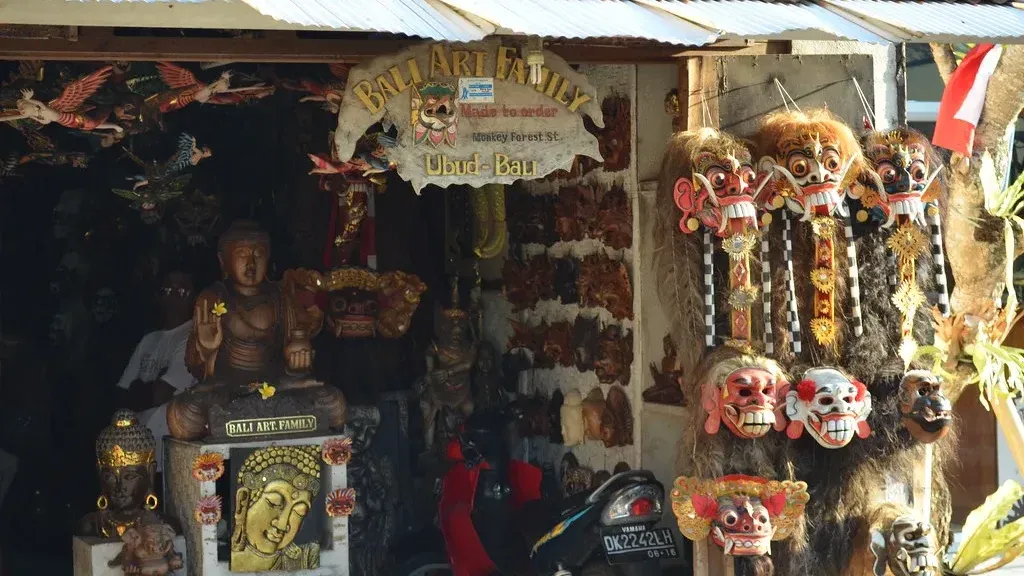
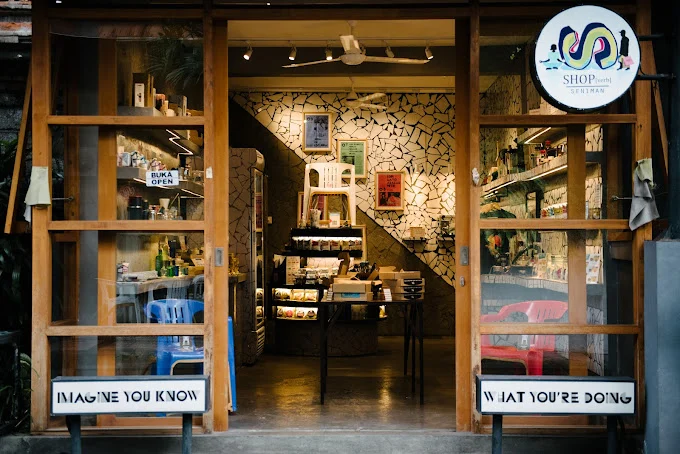
The Heart of Ubud Shopping: Art Markets, Galleries & Craft Villages`Shopping in Ubud` is an immersive journey into Balinese culture, characterized by a proliferation of art markets, independent galleries, and artisan workshops. Unlike the expansive, air-conditioned environments of `mall bali` locations such as `Icon Bali Mall` near `Bypass Ngurah Rai Kuta`, Ubud’s retail landscape is open-air, vibrant, and deeply rooted in local traditions. Visitors can anticipate a unique blend of bargaining for market finds and appreciating curated pieces in more upscale settings. The core experience centers around discovering handcrafted items that tell a story, reflecting the island’s spiritual and artistic essence.Ubud Art Market (Pasar Seni Ubud)The `Ubud Art Market`, officially Pasar Seni Ubud, stands as the most iconic destination for `ubud shopping`. Located directly opposite the Puri Saren Agung (Ubud Royal Palace), this bustling market is a labyrinth of stalls offering an extensive array of Balinese handicrafts. Shoppers can find everything from intricately woven baskets and sarongs to hand-carved wooden statues, silver jewelry, and vibrant paintings. The market gained international recognition after being featured in the film “Eat Pray Love,” drawing visitors from across the globe, including significant numbers from Australia, the UK, and Singapore.Bargaining is an integral part of the experience here, with initial prices often quoted higher than the actual selling price. It is customary to negotiate down to about 50-70% of the asking price, especially for larger purchases. The market typically opens around 8:00 AM and begins to wind down by 5:00 PM, though some stalls may operate longer. For the best selection and fewer crowds, an early morning visit is recommended, ideally before 10:00 AM. This provides ample time to explore the two main sections: the western part for textiles and souvenirs, and the eastern part for fresh produce and daily necessities, which offers a glimpse into local life.Galleries and Boutiques Along Monkey Forest Road & Hanoman StreetBeyond the main market, the streets of central Ubud, particularly Monkey Forest Road and Hanoman Street, are lined with a diverse selection of independent boutiques and `high-end` art galleries. These establishments offer a more curated `ubud boutique` experience, often showcasing contemporary Balinese art, designer clothing, bespoke jewelry, and ethical homewares. Prices here are generally fixed and reflect the quality, craftsmanship, and exclusivity of the items. For instance, a medium-sized painting from a reputable gallery might start at 2,000,000 IDR (approximately 130 USD).Notable galleries include the Agung Rai Museum of Art (ARMA) and Neka Art Museum, which not only sell art but also serve as important cultural institutions preserving Balinese heritage. Boutique stores like Biasa Art Space or Threads of Life offer unique textile collections, often sourced directly from remote villages across Indonesia. These locations provide a serene shopping environment, complete with air-conditioning in many cases, a stark contrast to the lively `ubud art market`. Shoppers can expect a more personalized service, with staff often knowledgeable about the artists and the stories behind their creations.Craft Villages and Workshops: A Deeper Dive into Balinese ArtistryFor those interested in the origins of Balinese crafts, venturing into the surrounding craft villages offers an unparalleled experience. Each village often specializes in a particular art form. Celuk, located southeast of Ubud, is renowned for its intricate gold and silver jewelry. Mas village is famous for its wood carvings, where visitors can often observe artisans at work, transforming blocks of wood into detailed sculptures. Batuan is a hub for traditional Balinese painting, characterized by its intricate details and mythological themes. These villages provide an opportunity for direct purchases from the artisans, often at more favorable prices than in central Ubud, and the chance to commission custom pieces.A `shopping tour` specifically designed to visit these workshops can be arranged, often including a `delivery driver` service for larger items back to your accommodation or even to the `international airport`. This allows for a more immersive and educational `bali shopping` experience, far removed from the commercial atmosphere of places like `DFS Bali` or `Grand Outlet Bali`. The authenticity of the crafts, combined with the opportunity to witness their creation, makes these village visits a highlight for many international tourists.Featured Artisans & What to Find in UbudUbud’s shopping landscape is less about “brands” in the conventional sense and more about the individual artisan or the type of craft. Here’s a guide to what shoppers can expect:
  • Wood Carvings: From small, intricate figurines of Hindu deities to large, elaborate panels and furniture. Common woods include suar wood, teak, and sandalwood. Villages like Mas are central to this craft.
  • Silver & Gold Jewelry: Delicate filigree work, traditional Balinese designs featuring semi-precious stones, and contemporary minimalist pieces. Celuk village is the heart of Bali’s silver industry, with workshops like Prapen Jewellery offering tours and retail.
  • Textiles: Hand-woven ikats, batik fabrics, sarongs, and contemporary clothing made from natural fibers. Look for pieces from Threads of Life (Jalan Kajeng) for ethically sourced and rare traditional textiles.
  • Paintings: Traditional Balinese art depicting mythological scenes, daily life, and nature, as well as modern abstract and contemporary works. Galleries like Neka Art Museum (Jalan Raya Campuhan) and Agung Rai Museum of Art (ARMA on Jalan Raya Pengosekan) showcase a wide range.
  • Ceramics & Pottery: Handmade tableware, decorative bowls, and vases often with earthy tones or vibrant Balinese motifs. Gaya Ceramic Arts Center offers workshops and a gallery for `high-end` ceramics.
  • Natural Soaps & Cosmetics: Organic, locally-sourced ingredients featuring essential oils and traditional Balinese herbs. Brands like Utama Spice (Jalan Monkey Forest) are popular for their natural products.
  • Spiritual & Wellness Items: Incense, essential oils, yoga accessories, meditation cushions, and traditional offerings. Many small shops cater to this niche.
  • Home Decor: Rattan baskets, lampshades, carved stone figures, and unique furniture pieces.
Transport & How to Get to Ubud for ShoppingUbud is located in the central part of `Badung Bali`, approximately 35 kilometers (22 miles) north of the bustling tourist hubs of `Kuta Bali` and `Seminyak Bali`. The journey from Ngurah Rai `International Airport` (DPS) typically takes between 1.5 to 2 hours, depending on traffic conditions, particularly through areas like `Bypass Ngurah Rai Kuta`.
  • Private Driver: The most convenient option for international tourists. A pre-booked private car with a driver offers comfort, flexibility, and the ability to visit multiple locations, including craft villages outside central Ubud. Many drivers offer `shopping tour` packages.
  • Taxi/Ride-Hailing Apps: Blue Bird taxis are reliable. Ride-hailing services like Gojek and Grab are widely available in Bali but can be restricted in certain areas of Ubud due to local transport regulations. Always confirm the drop-off point.
  • Shuttle Bus: Perama Tour & Travel offers scheduled shuttle services between major tourist areas and Ubud, a budget-friendly option for solo travelers.
  • Scooter Rental: For experienced riders, renting a scooter offers maximum flexibility. However, Ubud’s traffic can be dense, and navigation challenging for first-time visitors.
  • Walking: Once in central Ubud, the main shopping streets (Monkey Forest Road, Hanoman Street) are easily walkable.
For those staying in `Nusa Dua` or `Seminyak`, a dedicated `shopping tour` to Ubud is highly recommended to fully appreciate the diverse offerings without transport worries. Consider combining your `ubud shopping` trip with visits to nearby rice terraces or temples for a complete cultural day out.Best for / Best Avoid: Ubud ShoppingUnderstanding what `shopping in Ubud` excels at, and where it might not meet certain expectations, helps visitors plan their `bali shopping` itinerary effectively.
  • Best for:
    • Authentic Balinese Crafts: Ubud is unparalleled for genuine, handmade art, wood carvings, silver jewelry, and textiles directly from artisans.
    • Cultural Immersion: The `ubud art market` and craft villages offer a vibrant, interactive cultural experience, far different from the structured environments of `mall bali` locations like `Bali Collection` or `Icon Bali`.
    • Unique Souvenirs: Find one-of-a-kind items that truly represent Balinese heritage, not mass-produced goods.
    • Bargaining Experience: Hone your negotiation skills at the `ubud art market` for budget-friendly finds.
    • Supporting Local Artisans: Direct purchases often empower local communities and preserve traditional crafts.
  • Best Avoid (if seeking):
    • International Luxury Brands: For `high-end` fashion labels, electronics, or global brands, destinations like `Seminyak Village`, `Icon Bali Mall`, or `DFS Bali` (near `Bypass Ngurah Rai Kuta`) are more suitable. Ubud’s focus is local.
    • Fixed, Transparent Pricing: While galleries offer fixed prices, market shopping requires active negotiation, which some shoppers may find tiresome.
    • Air-conditioned Comfort: Most of `ubud shopping` is open-air, especially at the market. Galleries and some boutiques offer AC, but it’s not universal. For consistent comfort, consider `Grand Outlet Bali` or other enclosed malls.
    • Extensive Food Courts: While Ubud has excellent cafes and restaurants, dedicated mall-style food courts are absent.
    • Quick, Convenient Shopping: Ubud shopping is an experience to savor, not a quick dash. It requires time to explore and appreciate.
    Frequently Asked Questions about Shopping in UbudWhat is the best time to visit the Ubud Art Market?The `Ubud Art Market` is best visited in the early morning, typically between 8:00 AM and 10:00 AM. During these hours, the market is less crowded, and the atmosphere is generally more relaxed, allowing for a more pleasant `ubud shopping` experience. Vendors are also often more open to negotiation early in the day, believing that the first sale brings good luck. It operates daily until about 5:00 PM.Is bargaining expected in Ubud?Yes, bargaining is absolutely expected and a cultural norm at the `Ubud Art Market` and smaller street stalls. It is common for vendors to quote a higher initial price, anticipating negotiation. For `high-end` galleries and established boutiques, prices are usually fixed. This dynamic is a key difference from `mall bali` environments like `Icon Bali Mall` or `Seminyak Square` where prices are typically non-negotiable.What kind of budget should I plan for `shopping in Ubud`?Your `ubud shopping` budget can vary widely. For small souvenirs at the market, you might spend 50,000 – 200,000 IDR (approx. $3-$13 USD). For medium-sized wood carvings or silver jewelry, expect to pay 300,000 – 1,500,000 IDR ($20-$100 USD). `High-end` art pieces or bespoke jewelry from galleries can range from several million to tens of millions of IDR. It’s advisable to carry a mix of cash for market purchases and a credit card for larger gallery transactions.Can I find international brands in Ubud?No, Ubud is not the primary destination for international brands. Its charm lies in local, handcrafted goods. For global fashion labels, electronics, or designer goods, you would need to visit `mall bali` locations in southern Bali, such as `Seminyak Village`, `Icon Bali Mall` near `Pantai Kuta`, or `Bali Collection` in `Nusa Dua`. Ubud’s retail scene is distinctly local and focused on authentic Balinese products.Are there options for shipping purchases home?Yes, many `high-end` galleries and larger craft shops in Ubud offer international shipping services, especially for larger or fragile items like paintings or sculptures. For market purchases, you might need to arrange shipping independently through local postal services or international couriers. Some `shopping tour` operators or `concierge service` providers might also assist with logistics, ensuring your unique `bali shopping` finds reach your home safely.How does Ubud shopping compare to `Bali Duty Free`?`Ubud shopping` offers a culturally rich experience focused on artisan crafts and local products, with prices reflecting local craftsmanship and negotiation. `Bali Duty Free`, typically found at the `international airport` or specific `DFS Bali` locations (e.g., on `Bypass Ngurah Rai Kuta`), specializes in tax-exempt international brands, liquor, tobacco, and cosmetics. They cater to different shopping needs: Ubud for unique souvenirs and art, `Bali Duty Free` for global brands and travel essentials.Can I find a `personal shopper` for `ubud shopping`?While not as common as in `luxury shopping` districts, it is possible to arrange a `personal shopper` or a knowledgeable guide through private tour operators or a `concierge service`. These services can help navigate the markets, provide insights into local crafts, assist with bargaining, and even arrange for a `delivery driver` for your purchases. This can significantly enhance your `bali personal` shopping experience in Ubud, especially for those seeking specific items or custom orders.Conclusion: The Authentic Heart of Bali Shopping`Shopping in Ubud` offers a profoundly different experience compared to the sleek, modern environments of `mall bali` options across the island. It is a journey into the soul of Balinese artistry, where every purchase tells a story and directly supports local communities. From the vibrant haggling at the `ubud art market` to the tranquil contemplation of `high-end` pieces in a gallery, Ubud provides an authentic connection to the island’s creative spirit. It is the ideal destination for international tourists seeking unique, handcrafted souvenirs and a genuine cultural immersion.While `luxury shopping` for international brands can be found elsewhere, Ubud truly shines as the heart of traditional `bali shopping`. For those looking to explore this rich landscape further or require assistance with `shopping tour` arrangements, `personal shopper` services, or `delivery driver` logistics, OutletBali.com’s affiliated `concierge service` is available to enhance your visit. Explore beyond the market and discover the myriad of artisan treasures that await in Ubud.

    Editorial Disclaimer: OutletBali.com is an independent shopping directory operated by Juara Holding Group. We are not affiliated with, endorsed by, or operated in partnership with the shopping centers, brands, or developers mentioned on this page. All information is collected from public sources and editorial visits. Reference to any brand or mall does not imply endorsement or partnership. For official information, please visit the respective official website.
    Scroll to Top