Bali Shopping vs Bangkok Comparison
Planning a Southeast Asian adventure often involves two vibrant titans: Bali and Bangkok. While both promise unforgettable experiences, their shopping scenes offer distinct flavors that cater to different tastes and priorities. So, a direct Bali shopping vs Bangkok comparison, which destination truly offers the retail therapy you’re craving?
In short, Bali excels in unique artisanal crafts, bespoke fashion, and a relaxed boutique experience deeply rooted in local culture, while Bangkok dominates with its colossal modern malls, vast street markets, and exceptional variety across fashion, electronics, and luxury goods.
TL;DR: Bali vs. Bangkok Shopping at a Glance
If your heart yearns for handcrafted treasures, unique home décor, silver jewelry, and a more laid-back shopping stroll, Bali is your paradise. Expect charming boutiques in Seminyak, traditional art markets in Ubud, and local souvenirs. However, for sheer scale, global brands, high-tech gadgets, custom tailoring, and an electrifying urban retail buzz, Bangkok stands unrivaled with its mega-malls and sprawling street bazaars. Your ideal choice depends entirely on your shopping style and what’s on your list.
The Overall Shopping Vibe & Experience: Boutique Charm vs. Urban Sprawl
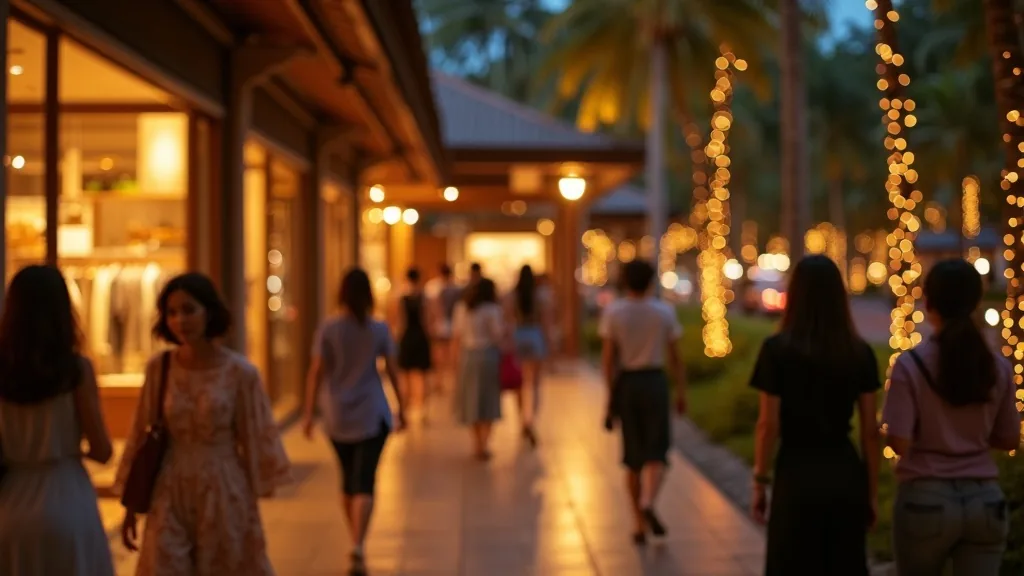
The first major distinction in the Bali shopping vs Bangkok comparison lies in their fundamental atmosphere. Bali offers a more relaxed, often open-air, and culturally immersive shopping experience. Here, the retail journey often feels like an extension of the island’s serene beauty and artistic spirit. Visitors will find charming independent boutiques set along bustling streets in Seminyak and Canggu, showcasing local designers, handcrafted jewelry, and unique homewares. The pace is slower, encouraging discovery and interaction with local artisans.
Traditional markets like the Ubud Art Market and Sukawati Art Market are vibrant hubs where bargaining is expected, and the air is thick with the scent of incense and spices. Even modern retail spaces like Beachwalk Shopping Center in Kuta or Seminyak Village are designed to integrate with the tropical environment, often featuring open-air walkways and lush landscaping. The focus in Bali is less on mass consumption and more on finding unique, often handmade items that tell a story.
Bangkok, in stark contrast, is a high-octane urban retail powerhouse. Its shopping scene is characterized by colossal, air-conditioned mega-malls that are destinations in themselves, offering everything from high-street fashion to luxury brands, gourmet dining, and entertainment. Think Siam Paragon, CentralWorld, or the iconic MBK Center – these are multi-story complexes that can take a full day to explore. The experience is fast-paced, modern, and incredibly diverse, catering to every conceivable consumer need.
Beyond the malls, Bangkok’s street markets, such as the legendary Chatuchak Weekend Market (with over 15,000 stalls) or the vibrant night markets like Asiatique The Riverfront, offer a sensory overload of goods, food, and bustling energy. While Bali’s shopping feels like a leisurely exploration, Bangkok’s is an exhilarating sprint through a retail wonderland. Shoppers seeking a comprehensive, modern retail experience with endless choices will find Bangkok more aligned with their expectations, whereas those preferring curated, artisanal finds in a tranquil setting will lean towards Bali.
Product Variety & Specialities: Artisanal Crafts vs. Global Trends
what you can actually buy, the Bali shopping vs Bangkok comparison reveals distinct specialities. Bali is renowned for its rich artistic heritage and skilled craftsmanship. Visitors flock here for exquisite silver jewelry, often handcrafted in villages like Celuk, intricate wood carvings from Mas, vibrant textiles like batik and ikat, and unique home décor items ranging from ceramics to bamboo furniture. Fashion in Bali leans towards bohemian styles, resort wear, and bespoke tailoring using natural fabrics. You’ll also find a plethora of organic spa products, essential oils, and wellness-related items.
Popular local brands like Joger, known for its quirky t-shirts and flip-flops, and Krisna Bali, a one-stop shop for souvenirs, are mainstays for tourists seeking memorable take-homes. In areas like Seminyak and Canggu, independent designers offer unique clothing, swimwear, and accessories that you won’t find elsewhere. The focus is heavily on items that reflect Balinese culture, art, and the island’s laid-back, spiritual vibe. Even larger stores like T Galleria DFS in Kuta offer a curated selection of duty-free luxury alongside local specialties.
Bangkok, on the other hand, is a mecca for global trends and sheer volume. Its malls house international luxury brands (think Louis Vuitton, Chanel, Gucci) alongside popular high-street fashion labels (Zara, H&M, Uniqlo). Electronics are incredibly popular, with entire sections and malls dedicated to gadgets at competitive prices. Custom tailoring is another Bangkok highlight, with numerous shops offering bespoke suits and dresses made in just a few days.
Street markets and night bazaars are rich sources for affordable fashion, accessories, knock-offs (buyer beware!), and an incredible array of street food. From cheap t-shirts and denim to unique vintage finds, Bangkok’s markets cater to every budget and style. While you can find some handicrafts, they tend to be more diverse from across Thailand and Southeast Asia, rather than exclusively reflecting Thai culture in the way Balinese items do for their island. Shoppers looking for the latest fashion, electronics, and a vast selection of goods will find Bangkok’s offerings more comprehensive.
Pricing & Bargaining Culture: Negotiation is Key in Both, but Different Contexts
Understanding pricing and the art of negotiation is crucial in both destinations, though the context differs. In Bali, particularly at traditional markets like Ubud Art Market or Sukawati Art Market, bargaining is not just expected, it’s part of the cultural experience. Vendors often start with inflated prices, and a polite negotiation can easily bring the price down by 30-50%. This applies to handicrafts, textiles, and smaller souvenirs. However, in fixed-price boutiques in Seminyak or modern malls like Discovery Mall or Icon Bali Mall (a newer development near Sanur/Denpasar), prices are generally non-negotiable.
Overall, prices for local goods in Bali tend to be quite affordable, especially if you venture outside the main tourist hubs of Kuta and Nusa Dua. For instance, a beautifully carved wooden mask might cost IDR 150,000-300,000 (approx. USD 10-20) after bargaining, while a silver ring could range from IDR 300,000-800,000 (USD 20-55) depending on design and weight. Custom-made clothing can be very reasonably priced compared to Western countries.
In Bangkok, the bargaining culture is also prevalent, especially in street markets like Chatuchak Weekend Market or Pratunam. Similar to Bali, starting prices can be high, and a good negotiation can yield significant savings. However, in the mega-malls like Siam Paragon or EmQuartier, prices are almost always fixed, mirroring Western retail practices. For electronics, while prices are often competitive, significant bargaining is less common in established stores, though you might find some wiggle room in smaller, independent shops.
Generally, fashion and accessories at Bangkok’s markets can be incredibly cheap, with t-shirts for as little as THB 100-200 (approx. USD 3-6) and dresses for THB 300-600 (USD 9-18). Luxury items in malls will be priced similarly to international markets, with some tax refund opportunities for tourists. For tailor-made suits, a good quality two-piece suit might start from THB 5,000-8,000 (USD 150-240), which is excellent value. In essence, both destinations offer opportunities for savvy shoppers to save, but Bali’s charm lies in bargaining for unique local crafts, while Bangkok’s value often comes from sheer volume and competitive pricing on mass-produced goods.
Shopping Infrastructure & Convenience: Open-Air Markets vs. Air-Conditioned Giants
The infrastructure for shopping significantly impacts the experience in a Bali shopping vs Bangkok comparison. Bali’s shopping landscape is more decentralized and integrated with its natural environment. Many shopping areas, especially in Seminyak, Canggu, and Ubud, consist of individual shops, boutiques, and street stalls. Getting around these areas often involves walking, using ride-hailing apps (like Gojek or Grab), or hiring a private driver. While there are modern malls like Beachwalk Shopping Center in Kuta, Discovery Mall also in Kuta, or Bali Collection in Nusa Dua, they are spread across the island rather than concentrated in one dense urban core.
The newer Icon Bali Mall in Sanur/Denpasar aims to offer a more consolidated experience but still operates within Bali’s generally spread-out infrastructure. Payment options are increasingly diverse, with credit cards widely accepted in larger stores and malls, but cash remains king at traditional markets and smaller vendors. The experience is less about seamless indoor transitions and more about enjoying the tropical ambiance as you move from one unique shop to another.
Bangkok, conversely, boasts a highly developed and interconnected shopping infrastructure. Its central shopping districts, particularly around Siam and Sukhumvit, are dense with multi-story malls, often linked by elevated walkways (skywalks), making it easy to hop between CentralWorld, Siam Paragon, and MBK Center without stepping onto the street. The city’s efficient BTS Skytrain and MRT subway systems provide convenient access to most major shopping hubs, including destinations like IconSiam, which is accessible via a dedicated shuttle boat from the Skytrain station.
Air-conditioning is a ubiquitous comfort, offering respite from the tropical heat. Payment methods are diverse, with credit cards accepted virtually everywhere, and mobile payment apps gaining popularity. The sheer scale and modern convenience of Bangkok’s retail environment make it incredibly efficient for serious shoppers. While Bali offers charming, dispersed shopping adventures, Bangkok provides a streamlined, often climate-controlled, and easily navigable urban shopping marathon.
Comparison Table: Bali Shopping vs. Bangkok Shopping
| Feature | Bali Shopping | Bangkok Shopping |
|---|---|---|
| Overall Vibe | Relaxed, artisanal, boutique, culturally immersive, open-air | Bustling, modern, mega-malls, street markets, urban energy |
| Key Specialties | Handicrafts, silver jewelry, wood carvings, batik, bespoke fashion, resort wear, spa products, unique home décor | Fashion (global & local), electronics, custom tailoring, luxury brands, street food, diverse souvenirs |
| Pricing | Affordable for local goods (bargaining expected in markets), mid-range for boutiques | Very affordable in markets (bargaining expected), mid-range to luxury in malls, competitive for electronics |
| Infrastructure | Decentralized, individual shops, open-air markets, few large malls (e.g., Beachwalk, Discovery Mall, Icon Bali Mall) | Centralized, interconnected mega-malls (e.g., Siam Paragon, MBK Center, CentralWorld, IconSiam), vast street markets |
| Convenience | Requires walking/ride-hailing; less interconnected; cash often preferred | Excellent public transport (BTS/MRT), skywalks connecting malls; credit cards widely accepted |
| Best For | Unique gifts, cultural souvenirs, custom pieces, relaxed browsing, supporting local artisans | Latest trends, high-tech gadgets, luxury items, bulk shopping, intense retail therapy, diverse food |
| Key Locations | Ubud Art Market, Sukawati Art Market, Seminyak Village, Kuta (Beachwalk, Discovery Mall), Canggu boutiques, Nusa Dua (Bali Collection), Sanur (Icon Bali Mall) | Siam Square, Pratunam, Chatuchak Weekend Market, Asiatique The Riverfront, Sukhumvit, Ratchaprasong |
Pro Tips for Savvy Shoppers in Bali and Bangkok
- Embrace Bargaining: In traditional markets in both Bali (Ubud Art Market, Sukawati Art Market) and Bangkok (Chatuchak, Pratunam), always negotiate politely. Start at 50% of the asking price and work your way up.
- Dress Comfortably: Especially for market visits in both destinations, comfortable shoes and light clothing are essential due to walking and heat.
- Carry Small Denominations: For street vendors and smaller shops, having local currency in smaller notes (IDR 20,000-50,000 in Bali, THB 20-100 in Bangkok) will make transactions smoother.
- Check for Quality: Particularly with handicrafts and textiles, inspect items carefully for defects before purchasing.
- Beware of Knock-offs: In Bangkok’s markets, many “designer” items are fakes. Be aware of what you’re buying if authenticity is important to you.
- Tax Refunds for Tourists: In Bangkok, look for “VAT Refund for Tourists” signs in larger stores and malls. Keep your receipts and passport to claim a refund at the airport. Bali has a similar system for certain goods at specific retailers like T Galleria DFS.
- Hydrate Regularly: Shopping can be exhausting, especially in the tropical heat. Keep a water bottle handy.
- Use Ride-Hailing Apps: Gojek or Grab in Bali, and Grab in Bangkok, are convenient and often cheaper for getting around than traditional taxis, especially for shorter distances.
FAQ: Your Bali & Bangkok Shopping Questions Answered
Q: Is Bali or Bangkok cheaper for shopping overall?
For local handicrafts, bespoke items, and unique souvenirs, Bali can be incredibly affordable, especially with good bargaining. Bangkok offers unbeatable prices for mass-produced fashion, electronics, and street food. For luxury brands, prices are comparable globally, but Bangkok’s selection is far wider.
Q: Can I find international luxury brands in Bali?
While Bali has some high-end boutiques and duty-free options like T Galleria DFS in Kuta, its selection of international luxury brands is limited compared to Bangkok’s sprawling mega-malls like Siam Paragon or EmQuartier which house a vast array of global labels.
Q: Which destination is better for unique, handmade gifts?
Bali is unequivocally superior for unique, handmade gifts rooted in local culture. Its art markets (Ubud, Sukawati), silver workshops (Celuk), and independent boutiques in Seminyak and Canggu offer an exceptional selection of artisanal products.
Q: How easy is it to get around the shopping areas in each city?
Bangkok’s shopping districts are highly convenient, with major malls connected by skywalks and easily accessible via BTS Skytrain or MRT. Bali’s shopping is more spread out, requiring walking, ride-hailing apps (Gojek/Grab), or private drivers to navigate between areas like Kuta, Seminyak, or Ubud.
Q: Is it safe to shop at night markets in Bali or Bangkok?
Both Bali and Bangkok night markets are generally safe and vibrant. Exercise standard caution: keep an eye on your belongings, be aware of your surroundings, and avoid flashing large amounts of cash. Enjoy the lively atmosphere and delicious street food!
Conclusion: Which Shopping Paradise Calls to You?
Ultimately, the “winner” in the Bali shopping vs Bangkok comparison depends entirely on your personal preferences and shopping agenda. If you dream of wandering through sun-drenched streets, discovering unique handcrafted treasures, supporting local artisans, and bringing home pieces that truly reflect a rich cultural heritage, Bali is your idyllic retail sanctuary. From the bustling Ubud Art Market to the chic boutiques of Seminyak Village and the extensive offerings at Icon Bali Mall, the island provides a more soulful and relaxed shopping journey.
However, if your vision of retail therapy involves massive, air-conditioned malls packed with global brands, the latest electronics, competitive prices on fashion, and an electrifying urban pace, then Bangkok is your undisputed champion. It offers an overwhelming variety and convenience that is hard to match. Both destinations promise an incredible experience, but for different reasons. For an independent guide to Bali’s diverse shopping landscape, from local markets to modern malls and lesser-known spots, explore OutletBali.com. We’re here to help you navigate your perfect Bali shopping adventure!
Editorial note: OutletBali.com is an independent shopping directory operated by Juara Holding Group. All editorial content is researched from public sources and editorial visits. We are not affiliated with the shopping centers or brands mentioned.