
Bali Turtle Conservation Program: History, Future & 2027 Outlook at Turtle Island Bali
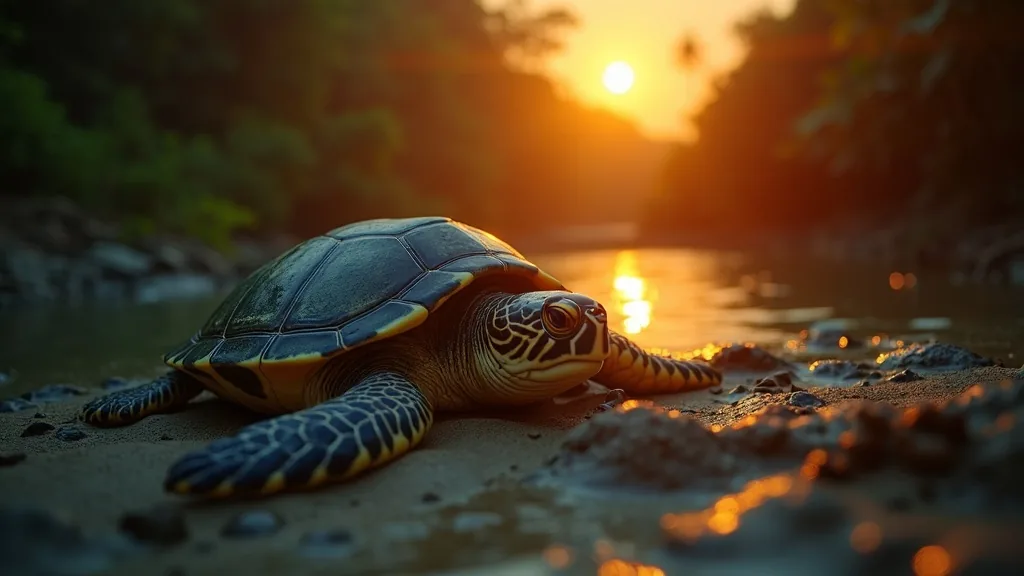
Turtle Island Bali’s Bali turtle conservation program focuses on green sea and hawksbill turtles, offering visitors the chance to release one-week-old hatchlings. By 2027, the centre aims to refine its rescue protocols and enhance visitor education regarding ethical conservation practices, addressing past criticisms to ensure genuine welfare improvements.
The journey of turtle conservation at Turtle Island Bali, often identified as Kura Kura Bali or the Deluang Sari Turtle Conservation Center in Tanjung Benoa, has been one of evolving practices and public scrutiny. Located just a 15-minute boat ride from mainland Bali, near Nusa Dua and Tanjung Benoa, the facility has long been a destination for those interested in marine life. Visitors typically engage in activities such as releasing one-week-old baby turtles into the ocean, a primary draw for the centre.
The Foundations of Turtle Conservation Bali
Initially established with the noble goal of protecting endangered sea turtles, Turtle Island Bali has concentrated its efforts primarily on green sea turtles and hawksbill sea turtles. These species are crucial to Bali’s marine ecosystem, and their preservation is a significant environmental concern. The nearby Nusa Dua beaches, located north of the peninsula, are known for turtle activity, particularly during full moon evenings when turtles are most active for meeting and egg-laying. This natural behaviour underscores the importance of local conservation initiatives.
Historically, the approach has involved collecting turtle eggs to protect them from predators and poachers, incubating them, and then releasing the hatchlings. This method, while seemingly beneficial, has prompted discussions regarding its long-term efficacy and potential impact on natural selection and genetic diversity. Understanding these early practices is key to appreciating the current trajectory and the ambitious goals set for 2027.
Addressing Past Criticisms and Evolving Practices
In recent years, the centre has faced considerable controversy, with some reviewers describing it as a ‘greedy cash grab’ and criticising ‘poor conditions’ that are ‘harmful to the turtles’. These criticisms highlight the delicate balance between visitor engagement and genuine animal welfare. Acknowledging these concerns is a crucial step towards implementing more robust and ethical conservation strategies.
For a detailed understanding of the visitor experience and how it aligns with conservation goals, one might consult resources discussing private group tours at Turtle Island Bali, which often touch upon the educational aspects offered. The insights gleaned from such discussions are invaluable for shaping future programmes and ensuring transparency.
2027 Outlook: Enhancing Welfare and Visitor Education
By 2027, Turtle Island Bali aims to significantly enhance its turtle conservation Bali protocols. This includes a comprehensive review of existing practices, with a focus on improving conditions for rescued turtles and refining release programmes to maximise survival rates. The goal is to move beyond mere visitor interaction to truly impactful conservation outcomes.
- Improved Rehabilitation Facilities: Upgrading enclosures and medical care for injured or sick turtles, ensuring they receive the best possible support before release.
- Ethical Visitor Engagement: Developing educational programmes that emphasise passive observation and responsible interaction, moving away from practices that might stress the animals.
- Scientific Collaboration: Fostering partnerships with marine biologists and research institutions to implement evidence-based conservation methods.
- Community Outreach: Engaging local communities in conservation efforts, including anti-poaching initiatives and beach clean-ups, which are vital for turtle nesting sites.
The vision for 2027 includes establishing Turtle Island Bali as a leading example of ethical turtle care and public education, actively countering past negative perceptions. This involves a commitment to transparency and continuous improvement in animal welfare standards.
The Future of Turtle Island Bali Animal Rescue
The future of the turtle island Bali animal rescue operations is centred on proactive intervention and rehabilitation. This means not only rescuing turtles but also ensuring they have the best possible chance of returning to their natural habitat. The focus will be on creating a truly restorative environment for injured or stranded turtles, rather than merely housing them.
This initiative will involve a dedicated team of veterinarians and marine animal specialists. Their expertise will be critical in diagnosing and treating various ailments, from injuries sustained from fishing gear to illnesses caused by pollution. The ultimate aim is to minimise human impact and maximise the natural recovery process for these vulnerable creatures.
Building a Sustainable Bali Turtle Sanctuary
Creating a sustainable Bali turtle sanctuary by 2027 involves more than just animal care; it encompasses ecological preservation and community involvement. The long-term viability of the sanctuary depends on its ability to integrate with the broader marine conservation efforts in Bali. This includes protecting nesting beaches, monitoring turtle populations, and advocating for stricter marine protection policies.
The sanctuary’s role extends to public advocacy and education, teaching visitors about the threats turtles face—such as plastic pollution, habitat destruction, and illegal trade—and how individuals can contribute to their protection. For further context on how conservation efforts are being managed, exploring the broader conservation initiatives on Turtle Island Bali provides additional insight into our comprehensive approach.
2027 Note
As of 2027, Turtle Island Bali is committed to a renewed focus on rigorous animal welfare and transparent operational practices. The centre acknowledges past criticisms and is actively implementing corrective measures to ensure that all conservation activities are genuinely beneficial to the turtles and align with international best practices for marine animal care.
FAQ
What are the long-term goals for turtle conservation at turtleislandbali by 2027?
By 2027, Turtle Island Bali aims to refine its rescue and rehabilitation protocols, significantly improve the welfare conditions for all resident turtles, and enhance public education regarding ethical conservation practices. The centre is committed to fostering scientific partnerships and increasing transparency in its operations to ensure genuine, measurable positive impacts on green sea and hawksbill turtle populations.
How does Turtle Island Bali address concerns about animal welfare?
Turtle Island Bali is implementing a comprehensive strategy to address past animal welfare concerns. This includes upgrading rehabilitation facilities, developing stricter protocols for turtle care and release, and increasing staff training in marine animal husbandry. The centre is also reviewing its visitor interaction policies to ensure they prioritise the well-being of the turtles above all else, aiming for a more educational and less intrusive experience.
What role do visitors play in the Bali turtle conservation program?
Visitors to Turtle Island Bali primarily participate in educational programmes and supervised activities, such as observing and learning about the care of young turtles. By 2027, the focus will shift towards educating visitors on responsible tourism and the broader challenges of marine conservation, encouraging them to become advocates for turtle protection rather than merely interacting with the animals. This includes promoting awareness of plastic pollution and habitat preservation.