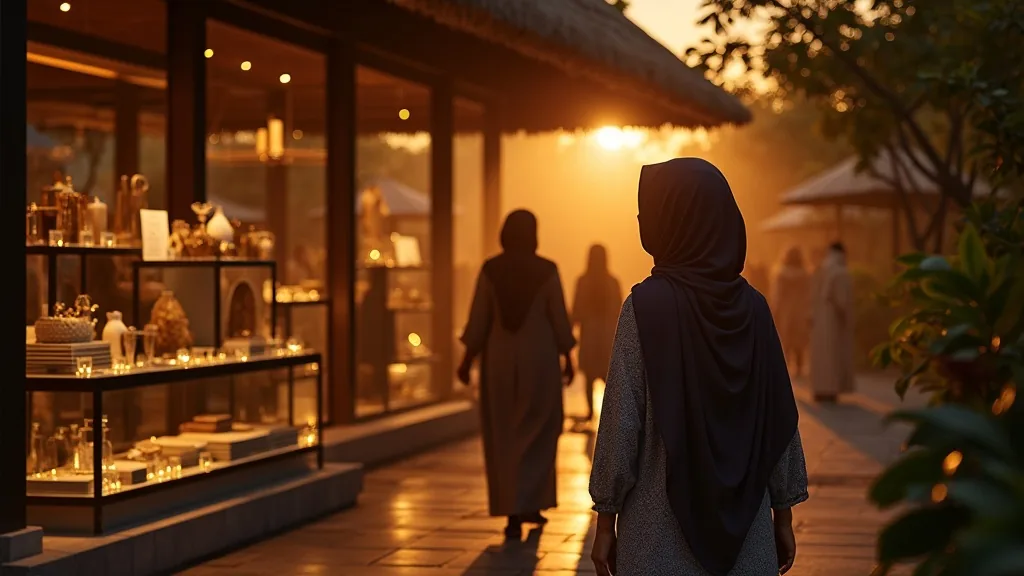
**Discovery Mall (Kuta):** Situated directly on Kuta Beach, Discovery Mall is a long-standing favorite, especially for families. Its multi-story layout houses a mix of international and local brands, electronics, and entertainment options. While not exclusively Halal, many food court vendors and restaurants within the mall offer Halal-certified options or provide clear ingredient lists. Prayer rooms are also available, ensuring convenience for Muslim shoppers. The vibrant location makes it ideal for combining shopping with a beach visit.**Beachwalk Shopping Center (Kuta):** Also in Kuta, Beachwalk offers an open-air, resort-style shopping experience with views of the ocean. It features a wide array of fashion brands, lifestyle stores, and a cinema. Many of its diverse restaurants offer Halal-friendly menus, and visitors will find well-maintained prayer facilities. Its relaxed ambiance and selection of international and local goods make it a pleasant spot for a leisurely shopping spree.**Seminyak Village (Seminyak):** For those seeking a more boutique and high-end experience, Seminyak Village offers a curated selection of fashion, jewelry, and homeware. While smaller than the larger malls, it caters to a discerning clientele. Halal food options might be more limited to specific cafes or restaurants in the surrounding Seminyak area, but the quality of products and unique local designs make it worth exploring for special purchases like modest resort wear or exquisite silver jewelry.**Krisna Bali and Joger:** These iconic souvenir shops, with multiple branches across Kuta, Denpasar, and other areas, are a rich source for local Balinese products. Krisna Bali is particularly known for its vast selection of batik clothing (including modest tunics and dresses), snacks (ensure they are Halal-certified if consumable), wood carvings, and handicrafts. Joger, famous for its quirky word art t-shirts, offers unique apparel. When shopping for food items, always look for the Majelis Ulama Indonesia (MUI) Halal logo.**Sukawati Art Market and Ubud Art Market:** For an authentic Balinese shopping experience, these traditional markets are exceptional. Shoppers can find an incredible array of local crafts, including hand-woven textiles, sarongs (perfect for modest wear), wood carvings, paintings, and handmade jewelry. Bargaining is expected here, and visitors from the Middle East often appreciate the opportunity to haggle for unique pieces. While food options are typically street vendors, the focus here is on the non-food items, offering a rich cultural shopping immersion.
What to Buy: Popular Halal-Friendly Products and Souvenirs
When engaging in Bali Halal shopping, particularly for Middle Eastern tourists, the focus often shifts to items that are culturally appropriate, ethically produced, and free from non-Halal components. Bali excels in offering a wide range of such products:
- Modest Fashion: Bali is a hub for textiles. Look for beautifully printed batik tunics, flowing dresses, and wide-leg trousers made from light, breathable fabrics. These can be found in boutique stores in Seminyak Village or at more affordable prices in Krisna Bali and the art markets of Ubud and Sukawati. Prices for a batik tunic might start from IDR 150,000 to IDR 500,000 depending on quality and design.
- Local Crafts and Home Decor: Intricate wood carvings, silver jewelry (ensure no animal motifs that might be considered non-Halal), woven baskets, and handmade ceramics are abundant. These make wonderful gifts or additions to any home. Explore shops in Ubud for high-quality items, or find more rustic pieces at the art markets.
- Spices and Coffee: Indonesia is famous for its spices. Purchase fresh vanilla beans, cinnamon sticks, cloves, and local coffee beans (such as Kopi Bali or Luwak coffee – though ethically sourced options are recommended). Always check for Halal certification on packaged food items, especially at supermarkets within malls like Discovery Mall or Icon Bali Mall.
- Aromatherapy and Spa Products: Bali is synonymous with wellness. Essential oils, natural soaps, body lotions, and incense sticks (often found at markets or dedicated spa product stores) are popular choices. Ensure they are alcohol-free if this is a concern.
- Prayer Mats and Islamic Calligraphy: While not as prevalent as in Middle Eastern countries, dedicated Islamic stores or larger markets might offer prayer mats or art featuring Islamic calligraphy, catering to the specific needs of Muslim visitors.
Navigating Halal Dining and Facilities within Shopping Hubs
A crucial aspect of Bali Halal shopping, particularly for visitors from the Middle East, is the availability of Halal dining options and convenient prayer facilities. Bali has made significant strides in this area, recognizing the importance of catering to its diverse tourist base.
- Halal-Certified Restaurants: Many major shopping centers now house restaurants that are either fully Halal-certified by the Majelis Ulama Indonesia (MUI) or offer extensive Halal-friendly menus. For instance, Bali Collection in Nusa Dua and Beachwalk Shopping Center in Kuta feature several eateries with clear Halal signage. Look for dedicated Muslim-owned restaurants outside the malls too, especially in areas like Denpasar, Kuta, and Jimbaran, which have larger local Muslim communities.
- Vegetarian and Seafood Options: When a specific Halal certification isn’t available, opting for vegetarian or seafood dishes is a safe and delicious alternative. Most restaurants in Bali, especially those catering to international tourists, offer a wide array of plant-based and fresh seafood options. Always inquire about cooking oils and cross-contamination if you have strict dietary requirements.
- Prayer Facilities (Musollah): Major modern malls like Icon Bali Mall (Sanur), Bali Collection (Nusa Dua), Discovery Mall (Kuta), and Beachwalk Shopping Center (Kuta) are equipped with dedicated prayer rooms (Musollah). These facilities are typically clean, well-maintained, and include separate areas for men and women, along with ablution (wudu) areas. This convenience allows shoppers to observe their prayers without interrupting their retail therapy. Smaller shopping areas or traditional markets might require shoppers to seek out nearby mosques or return to their accommodations for prayer.
- Alcohol-Free Environments: While alcohol is widely available in Bali, many Halal-friendly restaurants and cafes, particularly those catering to Muslim communities, maintain an alcohol-free environment. Shoppers can specifically look for these establishments for a comfortable dining experience.
Cultural Tips for a Seamless Bali Halal Shopping Experience
To ensure a smooth and enjoyable Bali Halal shopping experience for Middle Eastern visitors, understanding a few cultural nuances and practical tips can be incredibly helpful.
- Bargaining Etiquette: In traditional markets like Sukawati Art Market and Ubud Art Market, bargaining is not only acceptable but expected. Start by offering about half of the asking price and negotiate politely towards a mutually agreeable figure. In modern malls and fixed-price stores, prices are generally non-negotiable.
- Respectful Attire: While Bali is generally relaxed, dressing modestly, especially when visiting temples or traditional villages, is always appreciated. For shopping in malls or markets, comfortable, light clothing is ideal. Modest attire can also help avoid unwanted attention, particularly for female travelers.
- Language Basics: Learning a few basic Bahasa Indonesia phrases like “Terima kasih” (Thank you), “Berapa harganya?” (How much is this?), and “Tidak” (No) can enhance interactions with local vendors and show respect for the local culture.
- Payment Methods: Major malls and larger stores accept credit cards (Visa, Mastercard), but cash (Indonesian Rupiah – IDR) is essential for traditional markets, smaller shops, and street vendors. ATMs are widely available across Kuta, Seminyak, Ubud, and other tourist areas.
- Duty-Free Shopping: T Galleria DFS in Kuta offers a range of luxury goods, cosmetics, and electronics. While shopping here, be mindful of products that may contain alcohol or non-Halal ingredients if purchasing consumables or perfumes. Keep your passport and flight details handy for duty-free purchases.
- Transportation: Use ride-hailing apps like Grab or Gojek for convenient and affordable transport to shopping destinations. Taxis are also readily available. For longer trips to places like Ubud or Nusa Dua, consider hiring a private car with a driver for a day.
Halal-Friendly Shopping Destinations at a Glance
| Shopping Destination | Location | Halal Food Availability | Prayer Facilities | Product Type | Price Range |
|---|
| Bali Collection | Nusa Dua | High (many certified options) | Yes, dedicated Musollah | International brands, local boutiques, souvenirs | Mid-High |
| Icon Bali Mall | Sanur | High (modern F&B, expected certifications) | Yes, dedicated Musollah | International & local fashion, electronics, lifestyle | Mid-High |
| Discovery Mall | Kuta | Medium (food court options, some certified) | Yes, dedicated Musollah | International brands, local souvenirs, electronics | Mid |
| Beachwalk Shopping Center | Kuta | Medium (diverse restaurants, some Halal-friendly) | Yes, dedicated Musollah | Fashion, lifestyle, international brands | Mid |
| Seminyak Village | Seminyak | Medium (boutique cafes, nearby Halal options) | Limited, rely on nearby mosques/hotels | Boutique fashion, jewelry, homeware | High |
| Krisna Bali / Joger | Kuta, Denpasar (multiple branches) | Low (packaged snacks – check certification) | No, rely on nearby mosques | Souvenirs, batik, local snacks, t-shirts | Low-Mid |
| Sukawati Art Market | Sukawati | Low (street food, inquire carefully) | No, rely on nearby mosques | Traditional crafts, textiles, paintings | Low (bargainable) |
| Ubud Art Market | Ubud | Low (street food, inquire carefully) | No, rely on nearby mosques | Handicrafts, silver, textiles, wood carvings | Low-Mid (bargainable) |
Pro Tips for Bali Halal Shopping (Middle East Visitors)
- Always Verify Halal Certification: When purchasing food items, look for the official MUI (Majelis Ulama Indonesia) Halal logo on packaging or ask restaurant staff directly about their Halal status.
- Utilize Halal-Friendly Apps: Download apps like “HalalTrip” or “Muslim Pro” which often include directories for Halal restaurants and mosques in Bali.
- Bargain Respectfully: In traditional markets, bargaining is part of the experience. Be polite, smile, and don’t be afraid to walk away if the price isn’t right. For fixed-price stores, avoid haggling.
- Dress Comfortably and Modestly: Light, breathable fabrics are ideal for Bali’s tropical climate. Dressing modestly, especially for women, can enhance comfort and respect local customs.
- Check Opening Hours: While malls generally operate from 10 AM to 10 PM, traditional markets often open earlier (around 8 AM) and close in the late afternoon.
- Stay Hydrated: Bali’s heat and humidity can be intense. Carry a water bottle and take breaks in air-conditioned spaces within malls.
- Plan Your Transport: Use ride-hailing apps (Grab/Gojek) for convenience or hire a driver for longer shopping excursions to multiple locations like Ubud or Nusa Dua.
- Keep an Eye on Your Belongings: Like any popular tourist destination, be mindful of your valuables, especially in crowded markets.
Frequently Asked Questions About Bali Halal Shopping for Middle Eastern Tourists
Q: Is Bali truly Halal-friendly for Middle Eastern tourists?
A: Yes, Bali has significantly enhanced its Halal-friendly infrastructure over recent years. While it’s predominantly Hindu, the island actively caters to Muslim visitors, particularly those from the Middle East, by offering numerous Halal-certified restaurants, prayer facilities in major malls, and a wide array of culturally appropriate shopping options. Awareness among locals regarding Halal needs is also growing.
Q: Where can I find prayer rooms in Bali’s shopping areas?
Bali offers a surprisingly robust and increasingly accommodating shopping experience for Halal-conscious visitors, particularly those from the Middle East, with a growing number of Halal-certified eateries, prayer facilities, and diverse product selections across its vibrant retail landscape. From bustling traditional markets to modern, air-conditioned malls, shoppers can easily find products and services that align with Halal principles, making Bali a truly inclusive destination for every kind of traveler.
TL;DR: Bali Halal Shopping for Middle Eastern Visitors
Bali provides excellent Halal shopping opportunities for Middle Eastern visitors, blending local charm with modern conveniences. Key shopping areas like Nusa Dua, Kuta, and Seminyak feature malls with prayer rooms and Halal dining options. Traditional markets in Ubud and Sukawati offer unique crafts and modest fashion. Look for MUI Halal certification, inquire about ingredients, and enjoy a wide range of souvenirs, spices, and clothing designed to meet Halal preferences. OutletBali.com is your independent guide to navigating these diverse retail choices.
Bali’s Embrace of Halal Shopping for Middle Eastern Visitors
Bali, renowned globally for its stunning beaches, vibrant culture, and spiritual serenity, is also rapidly evolving into a welcoming hub for Halal-conscious travelers, especially those visiting from the Middle East. Understanding the nuances of “Halal shopping” goes beyond just food; it encompasses an entire lifestyle, including modest fashion, ethically sourced products, and convenient access to prayer facilities. For visitors from countries like Saudi Arabia, UAE, Qatar, and Malaysia, finding a shopping environment that respects these values is paramount. Bali’s retail scene has responded to this demand, offering a diverse array of options where shoppers can confidently explore without compromising their principles. This includes everything from finding Halal-certified local delicacies to purchasing exquisite crafts and modest apparel, all within easy reach across the island’s most popular districts.
Premier Shopping Destinations for Halal-Conscious Buyers
Navigating Bali’s extensive shopping landscape requires a bit of insider knowledge to find the best Halal-friendly spots. Fortunately, several key destinations stand out, offering both convenience and a wide selection suitable for Middle Eastern visitors.**Bali Collection (Nusa Dua):** Located in the upscale Nusa Dua area, Bali Collection is an open-air shopping and dining complex specifically designed for tourists. This destination is particularly popular with families and offers a more curated experience. Shoppers will find international brands alongside local boutiques, and crucially, numerous restaurants clearly display Halal certifications or offer extensive vegetarian/seafood menus. Prayer facilities (Musollah) are readily available, making it a comfortable stop for Halal shoppers. Visitors can expect a relaxed atmosphere and a good mix of fashion, souvenirs, and dining.**Icon Bali Mall (Sanur):** As one of Bali’s newest and largest shopping centers, Icon Bali Mall in Sanur is quickly becoming a must-visit. With its modern design and comprehensive offerings, it aims to provide a premium retail experience. Its contemporary facilities are likely to include dedicated prayer rooms and a broader selection of diverse food and beverage outlets, some of which will cater specifically to Halal requirements. This mall is set to be a significant player for those seeking a modern, comfortable, and Halal-aware shopping environment.**Discovery Mall (Kuta):** Situated directly on Kuta Beach, Discovery Mall is a long-standing favorite, especially for families. Its multi-story layout houses a mix of international and local brands, electronics, and entertainment options. While not exclusively Halal, many food court vendors and restaurants within the mall offer Halal-certified options or provide clear ingredient lists. Prayer rooms are also available, ensuring convenience for Muslim shoppers. The vibrant location makes it ideal for combining shopping with a beach visit.**Beachwalk Shopping Center (Kuta):** Also in Kuta, Beachwalk offers an open-air, resort-style shopping experience with views of the ocean. It features a wide array of fashion brands, lifestyle stores, and a cinema. Many of its diverse restaurants offer Halal-friendly menus, and visitors will find well-maintained prayer facilities. Its relaxed ambiance and selection of international and local goods make it a pleasant spot for a leisurely shopping spree.**Seminyak Village (Seminyak):** For those seeking a more boutique and high-end experience, Seminyak Village offers a curated selection of fashion, jewelry, and homeware. While smaller than the larger malls, it caters to a discerning clientele. Halal food options might be more limited to specific cafes or restaurants in the surrounding Seminyak area, but the quality of products and unique local designs make it worth exploring for special purchases like modest resort wear or exquisite silver jewelry.**Krisna Bali and Joger:** These iconic souvenir shops, with multiple branches across Kuta, Denpasar, and other areas, are a rich source for local Balinese products. Krisna Bali is particularly known for its vast selection of batik clothing (including modest tunics and dresses), snacks (ensure they are Halal-certified if consumable), wood carvings, and handicrafts. Joger, famous for its quirky word art t-shirts, offers unique apparel. When shopping for food items, always look for the Majelis Ulama Indonesia (MUI) Halal logo.**Sukawati Art Market and Ubud Art Market:** For an authentic Balinese shopping experience, these traditional markets are exceptional. Shoppers can find an incredible array of local crafts, including hand-woven textiles, sarongs (perfect for modest wear), wood carvings, paintings, and handmade jewelry. Bargaining is expected here, and visitors from the Middle East often appreciate the opportunity to haggle for unique pieces. While food options are typically street vendors, the focus here is on the non-food items, offering a rich cultural shopping immersion.
What to Buy: Popular Halal-Friendly Products and Souvenirs
When engaging in Bali Halal shopping, particularly for Middle Eastern tourists, the focus often shifts to items that are culturally appropriate, ethically produced, and free from non-Halal components. Bali excels in offering a wide range of such products:
- Modest Fashion: Bali is a hub for textiles. Look for beautifully printed batik tunics, flowing dresses, and wide-leg trousers made from light, breathable fabrics. These can be found in boutique stores in Seminyak Village or at more affordable prices in Krisna Bali and the art markets of Ubud and Sukawati. Prices for a batik tunic might start from IDR 150,000 to IDR 500,000 depending on quality and design.
- Local Crafts and Home Decor: Intricate wood carvings, silver jewelry (ensure no animal motifs that might be considered non-Halal), woven baskets, and handmade ceramics are abundant. These make wonderful gifts or additions to any home. Explore shops in Ubud for high-quality items, or find more rustic pieces at the art markets.
- Spices and Coffee: Indonesia is famous for its spices. Purchase fresh vanilla beans, cinnamon sticks, cloves, and local coffee beans (such as Kopi Bali or Luwak coffee – though ethically sourced options are recommended). Always check for Halal certification on packaged food items, especially at supermarkets within malls like Discovery Mall or Icon Bali Mall.
- Aromatherapy and Spa Products: Bali is synonymous with wellness. Essential oils, natural soaps, body lotions, and incense sticks (often found at markets or dedicated spa product stores) are popular choices. Ensure they are alcohol-free if this is a concern.
- Prayer Mats and Islamic Calligraphy: While not as prevalent as in Middle Eastern countries, dedicated Islamic stores or larger markets might offer prayer mats or art featuring Islamic calligraphy, catering to the specific needs of Muslim visitors.
Navigating Halal Dining and Facilities within Shopping Hubs
A crucial aspect of Bali Halal shopping, particularly for visitors from the Middle East, is the availability of Halal dining options and convenient prayer facilities. Bali has made significant strides in this area, recognizing the importance of catering to its diverse tourist base.
- Halal-Certified Restaurants: Many major shopping centers now house restaurants that are either fully Halal-certified by the Majelis Ulama Indonesia (MUI) or offer extensive Halal-friendly menus. For instance, Bali Collection in Nusa Dua and Beachwalk Shopping Center in Kuta feature several eateries with clear Halal signage. Look for dedicated Muslim-owned restaurants outside the malls too, especially in areas like Denpasar, Kuta, and Jimbaran, which have larger local Muslim communities.
- Vegetarian and Seafood Options: When a specific Halal certification isn’t available, opting for vegetarian or seafood dishes is a safe and delicious alternative. Most restaurants in Bali, especially those catering to international tourists, offer a wide array of plant-based and fresh seafood options. Always inquire about cooking oils and cross-contamination if you have strict dietary requirements.
- Prayer Facilities (Musollah): Major modern malls like Icon Bali Mall (Sanur), Bali Collection (Nusa Dua), Discovery Mall (Kuta), and Beachwalk Shopping Center (Kuta) are equipped with dedicated prayer rooms (Musollah). These facilities are typically clean, well-maintained, and include separate areas for men and women, along with ablution (wudu) areas. This convenience allows shoppers to observe their prayers without interrupting their retail therapy. Smaller shopping areas or traditional markets might require shoppers to seek out nearby mosques or return to their accommodations for prayer.
- Alcohol-Free Environments: While alcohol is widely available in Bali, many Halal-friendly restaurants and cafes, particularly those catering to Muslim communities, maintain an alcohol-free environment. Shoppers can specifically look for these establishments for a comfortable dining experience.
Cultural Tips for a Seamless Bali Halal Shopping Experience
To ensure a smooth and enjoyable Bali Halal shopping experience for Middle Eastern visitors, understanding a few cultural nuances and practical tips can be incredibly helpful.
- Bargaining Etiquette: In traditional markets like Sukawati Art Market and Ubud Art Market, bargaining is not only acceptable but expected. Start by offering about half of the asking price and negotiate politely towards a mutually agreeable figure. In modern malls and fixed-price stores, prices are generally non-negotiable.
- Respectful Attire: While Bali is generally relaxed, dressing modestly, especially when visiting temples or traditional villages, is always appreciated. For shopping in malls or markets, comfortable, light clothing is ideal. Modest attire can also help avoid unwanted attention, particularly for female travelers.
- Language Basics: Learning a few basic Bahasa Indonesia phrases like “Terima kasih” (Thank you), “Berapa harganya?” (How much is this?), and “Tidak” (No) can enhance interactions with local vendors and show respect for the local culture.
- Payment Methods: Major malls and larger stores accept credit cards (Visa, Mastercard), but cash (Indonesian Rupiah – IDR) is essential for traditional markets, smaller shops, and street vendors. ATMs are widely available across Kuta, Seminyak, Ubud, and other tourist areas.
- Duty-Free Shopping: T Galleria DFS in Kuta offers a range of luxury goods, cosmetics, and electronics. While shopping here, be mindful of products that may contain alcohol or non-Halal ingredients if purchasing consumables or perfumes. Keep your passport and flight details handy for duty-free purchases.
- Transportation: Use ride-hailing apps like Grab or Gojek for convenient and affordable transport to shopping destinations. Taxis are also readily available. For longer trips to places like Ubud or Nusa Dua, consider hiring a private car with a driver for a day.
Halal-Friendly Shopping Destinations at a Glance
| Shopping Destination | Location | Halal Food Availability | Prayer Facilities | Product Type | Price Range |
|---|
| Bali Collection | Nusa Dua | High (many certified options) | Yes, dedicated Musollah | International brands, local boutiques, souvenirs | Mid-High |
| Icon Bali Mall | Sanur | High (modern F&B, expected certifications) | Yes, dedicated Musollah | International & local fashion, electronics, lifestyle | Mid-High |
| Discovery Mall | Kuta | Medium (food court options, some certified) | Yes, dedicated Musollah | International brands, local souvenirs, electronics | Mid |
| Beachwalk Shopping Center | Kuta | Medium (diverse restaurants, some Halal-friendly) | Yes, dedicated Musollah | Fashion, lifestyle, international brands | Mid |
| Seminyak Village | Seminyak | Medium (boutique cafes, nearby Halal options) | Limited, rely on nearby mosques/hotels | Boutique fashion, jewelry, homeware | High |
| Krisna Bali / Joger | Kuta, Denpasar (multiple branches) | Low (packaged snacks – check certification) | No, rely on nearby mosques | Souvenirs, batik, local snacks, t-shirts | Low-Mid |
| Sukawati Art Market | Sukawati | Low (street food, inquire carefully) | No, rely on nearby mosques | Traditional crafts, textiles, paintings | Low (bargainable) |
| Ubud Art Market | Ubud | Low (street food, inquire carefully) | No, rely on nearby mosques | Handicrafts, silver, textiles, wood carvings | Low-Mid (bargainable) |
Pro Tips for Bali Halal Shopping (Middle East Visitors)
- Always Verify Halal Certification: When purchasing food items, look for the official MUI (Majelis Ulama Indonesia) Halal logo on packaging or ask restaurant staff directly about their Halal status.
- Utilize Halal-Friendly Apps: Download apps like “HalalTrip” or “Muslim Pro” which often include directories for Halal restaurants and mosques in Bali.
- Bargain Respectfully: In traditional markets, bargaining is part of the experience. Be polite, smile, and don’t be afraid to walk away if the price isn’t right. For fixed-price stores, avoid haggling.
- Dress Comfortably and Modestly: Light, breathable fabrics are ideal for Bali’s tropical climate. Dressing modestly, especially for women, can enhance comfort and respect local customs.
- Check Opening Hours: While malls generally operate from 10 AM to 10 PM, traditional markets often open earlier (around 8 AM) and close in the late afternoon.
- Stay Hydrated: Bali’s heat and humidity can be intense. Carry a water bottle and take breaks in air-conditioned spaces within malls.
- Plan Your Transport: Use ride-hailing apps (Grab/Gojek) for convenience or hire a driver for longer shopping excursions to multiple locations like Ubud or Nusa Dua.
- Keep an Eye on Your Belongings: Like any popular tourist destination, be mindful of your valuables, especially in crowded markets.
Frequently Asked Questions About Bali Halal Shopping for Middle Eastern Tourists
Q: Is Bali truly Halal-friendly for Middle Eastern tourists?
A: Yes, Bali has significantly enhanced its Halal-friendly infrastructure over recent years. While it’s predominantly Hindu, the island actively caters to Muslim visitors, particularly those from the Middle East, by offering numerous Halal-certified restaurants, prayer facilities in major malls, and a wide array of culturally appropriate shopping options. Awareness among locals regarding Halal needs is also growing.
Q: Where can I find prayer rooms in Bali’s shopping areas?
Editorial note: OutletBali.com is an independent shopping directory operated by Juara Holding Group. All editorial content is researched from public sources and editorial visits. We are not affiliated with the shopping centers or brands mentioned.